
Introduction
An overview of how herbal tea blends have traditionally been composed and enjoyed.
A Collection of Traditional Botanicals
This lesson brings together spices, flowers, and aromatic roots used in culinary and herbal traditions.
- Star anise
- Hibiscus
- Cloves
- Cinnamon
- Prekese
- Vetiver root
Flavor, Compounds & Cultural Traditions
Star anise contributes fragrance; hibiscus contributes color and anthocyanins; cloves contain eugenol; cinnamon offers warming flavor and aromatic compounds; prekese has West African culinary and herbal traditions; and vetiver root is known for its earthy fragrance.
Traditional Uses
These ingredients appear in teas, cooking, aromatic practices, and wellness blends. Star anise has traditional digestive associations, while hibiscus, cloves, cinnamon, and prekese have diverse culinary and herbal histories.
Traditional use does not establish a proven medical benefit. Clinical effectiveness requires separate verification.
Benefits & Research Context
The supplied caption describes ongoing research into hibiscus and blood pressure, cinnamon and blood sugar, and compounds found in cloves. It also notes that prekese needs more human research and that evidence for drinking vetiver preparations is limited. No study citations were supplied.
Safety & Responsible Use
Proper identification, preparation, and individual suitability matter. Use properly identified Chinese star anise (Illicium verum); other star-anise species are not interchangeable. Herbs and spices are not replacements for prescribed blood-pressure or diabetes treatment.
Related Lessons
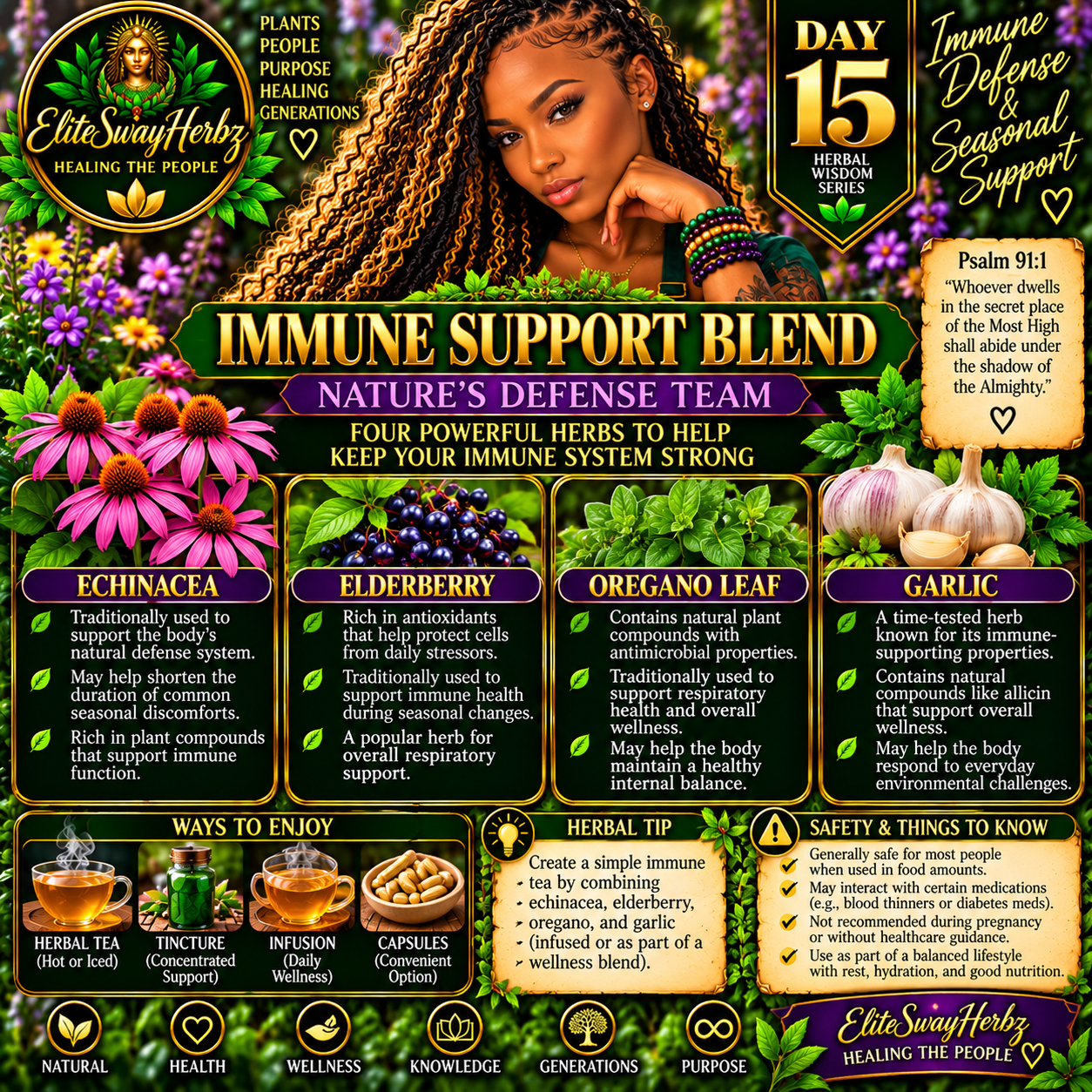
Day 15 · Herbal Preparations
Immune Support Blend
A look at the herbs traditionally combined in seasonal blends — Part 2 of the Day 15 lesson.
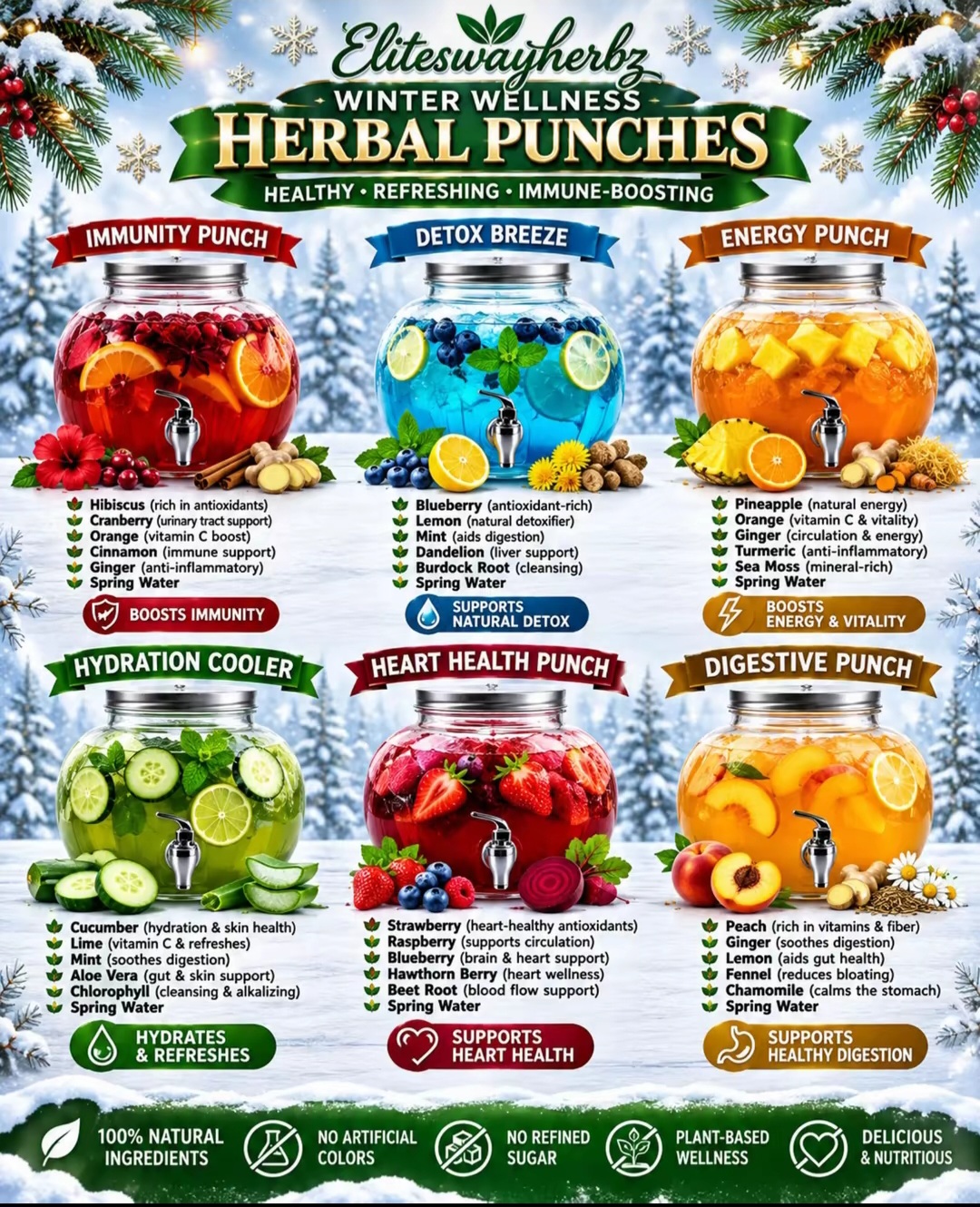
Herbal Preparations
Winter Wellness Herbal Punches
Discover six colorful winter-inspired botanical punch ideas featuring fruits, herbs, and plant-based ingredients for refreshing seasonal beverages.