
Introduction
Getting to know ashwagandha, a root with deep roots in traditional Ayurvedic practice.
Botanical Background
Ashwagandha (Withania somnifera) has a long history in Ayurvedic wellness practices. It is often called an adaptogen, a term used for herbs believed to help the body respond to stress.
Traditional Uses
Ashwagandha has traditional associations with stress, rest, mental clarity, and balance.
Traditional use does not establish a proven medical benefit. Clinical effectiveness requires separate verification.
Benefits & Research Context
The supplied caption describes small or limited studies of certain extracts for perceived stress, sleep quality, exercise performance, and strength, with varying results. Evidence for memory and concentration remains limited. Product extracts are not interchangeable, and no study citations were supplied.
Ways to Enjoy
These traditional preparation formats are educational examples, not personalized recommendations or dosing instructions.
- Powder mixed into food, smoothies, or warm plant-based milk
- Traditional herbal tea
- Capsules containing standardized extracts
- Liquid extracts
Safety & Responsible Use
Avoid ashwagandha during pregnancy. Breastfeeding safety information is insufficient. People with thyroid or autoimmune conditions, liver disease, or those taking medications should consult a healthcare professional. Rare cases of liver injury have been reported with supplements, and long-term safety is not well established.
Related Lessons

Day 5 · Herbal Spotlights
Ginger
An introduction to ginger root — its botanical background and its long place in kitchens and herbal traditions around the world.
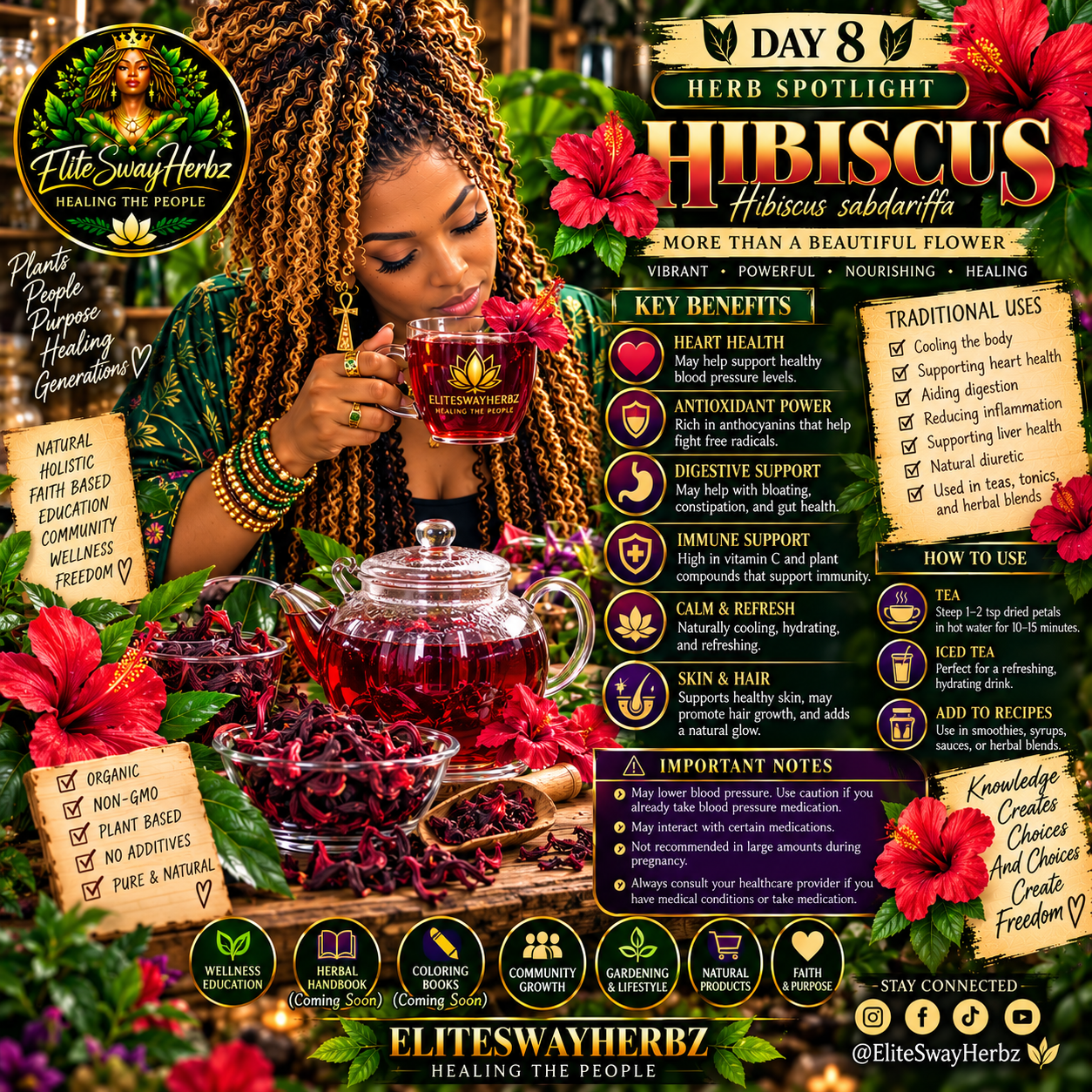
Day 8 · Herbal Spotlights
Hibiscus
Meet hibiscus — the deep crimson flower enjoyed in teas and traditional drinks across many cultures.

Day 11 · Herbal Spotlights
Sea Moss
An introduction to sea moss, a marine algae with a long history in coastal food traditions.