
Introduction
Meet hibiscus — the deep crimson flower enjoyed in teas and traditional drinks across many cultures.
Botanical Background
Hibiscus (Hibiscus sabdariffa) is known for its ruby-red color and refreshing tart flavor. Its calyces have been enjoyed in traditional drinks across many cultures.
Traditional Uses
Hibiscus has a history in cooling drinks and in traditional digestive and heart-wellness practices.
Traditional use does not establish a proven medical benefit. Clinical effectiveness requires separate verification.
Benefits & Research Context
The supplied caption notes anthocyanins and other plant compounds with antioxidant activity. It also describes research suggesting that hibiscus tea may modestly lower blood pressure in some adults; no citations were supplied, and hibiscus should never replace prescribed treatment.
Ways to Enjoy
These traditional preparation formats are educational examples, not personalized recommendations or dosing instructions.
- Hot tea
- Iced tea
- Smoothies
- Syrups and sauces
- Herbal blends
Traditional Preparation
The supplied caption uses 1–2 teaspoons of dried, food-grade Hibiscus sabdariffa calyces in one cup of hot water, covered and steeped for 5–10 minutes, then strained. This source preparation is shared for education, not as individualized guidance.
Safety & Responsible Use
Hibiscus may lower blood pressure and interact with certain medications. People who are pregnant, breastfeeding, taking blood-pressure medication, or managing a medical condition should seek qualified guidance before regular medicinal use.
Related Lessons

Day 5 · Herbal Spotlights
Ginger
An introduction to ginger root — its botanical background and its long place in kitchens and herbal traditions around the world.
Day 11 · Herbal Spotlights
Sea Moss
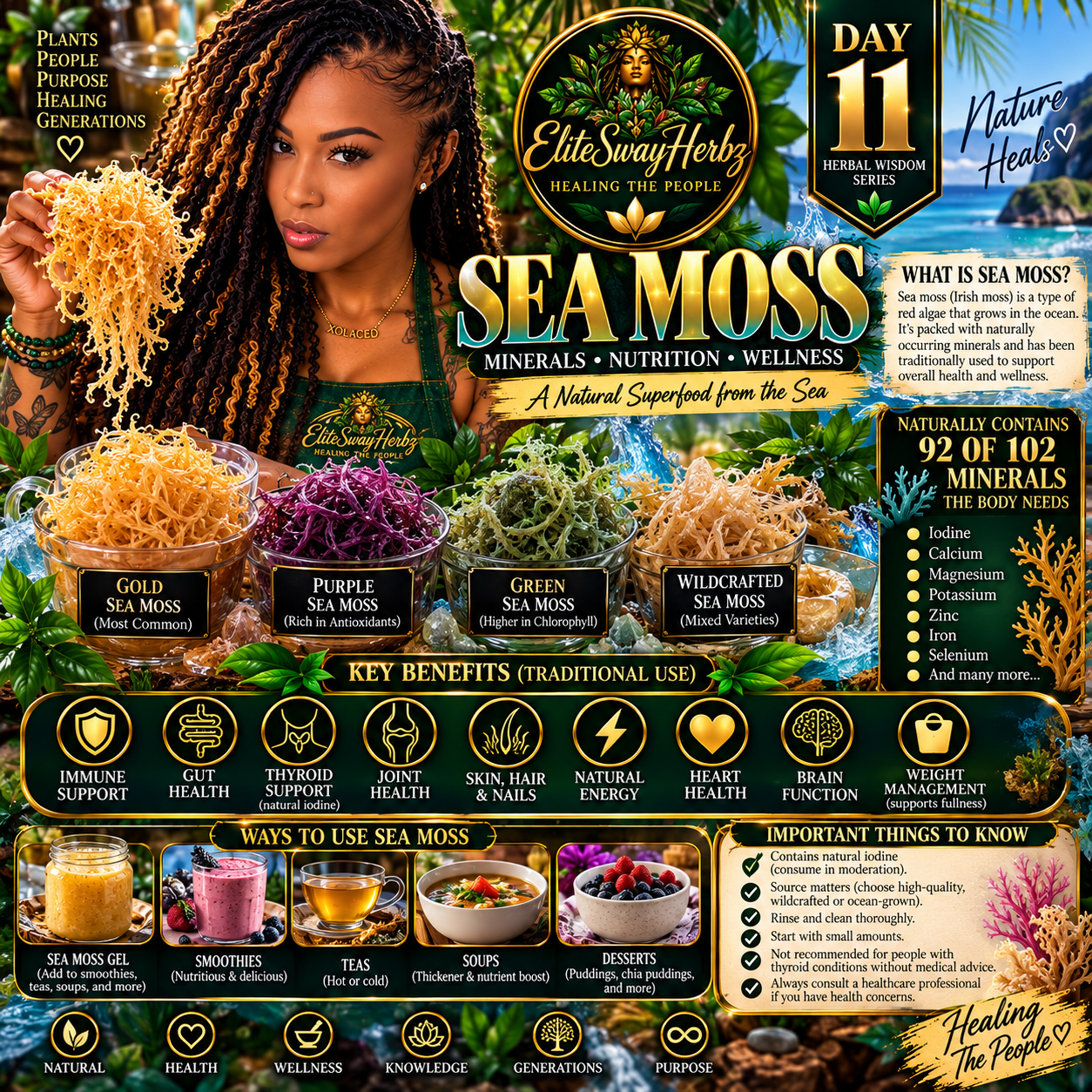
An introduction to sea moss, a marine algae with a long history in coastal food traditions.
Day 12 · Herbal Spotlights
Ashwagandha
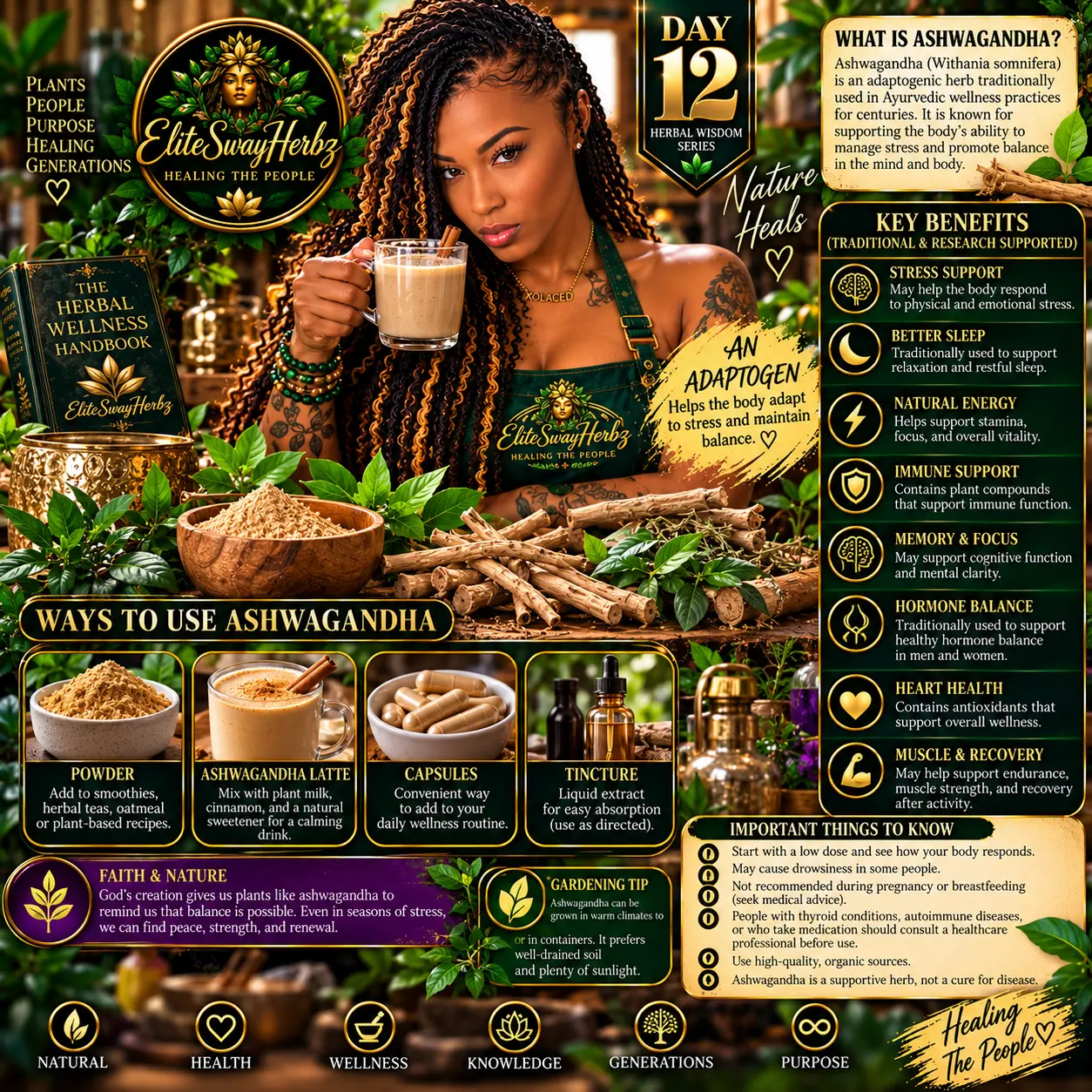
Getting to know ashwagandha, a root with deep roots in traditional Ayurvedic practice.