
Introduction
An introduction to sea moss, a marine algae with a long history in coastal food traditions.
Botanical Background
Sea moss, also called Irish moss, is a type of red algae used in food and botanical traditions. Species and growing environments vary, so different products are not nutritionally identical.
Nutrients & Plant Compounds
Sea moss can contain iodine, an essential nutrient needed for thyroid hormone production, but excessive iodine can harm thyroid function. It may also provide varying amounts of minerals such as calcium, magnesium, and potassium. Seaweed polysaccharides contribute gel-forming properties used in foods.
Benefits & Research Context
Red algae contain naturally occurring compounds being studied for potential antioxidant properties. The supplied sources do not establish sea moss as a cure, a complete mineral source, or a treatment for digestive or thyroid conditions.
Ways to Enjoy
These traditional preparation formats are educational examples, not personalized recommendations or dosing instructions.
- Food-grade gel added to smoothies, teas, or soups
- Thickener in soups and sauces
- Puddings and other culinary preparations
Safety & Responsible Use
Choose reputable suppliers that test for iodine content and contaminants, including heavy metals. People with thyroid disease, those taking thyroid medication, and those who are pregnant or breastfeeding should consult a healthcare professional before regular use.
Related Lessons

Day 5 · Herbal Spotlights
Ginger
An introduction to ginger root — its botanical background and its long place in kitchens and herbal traditions around the world.
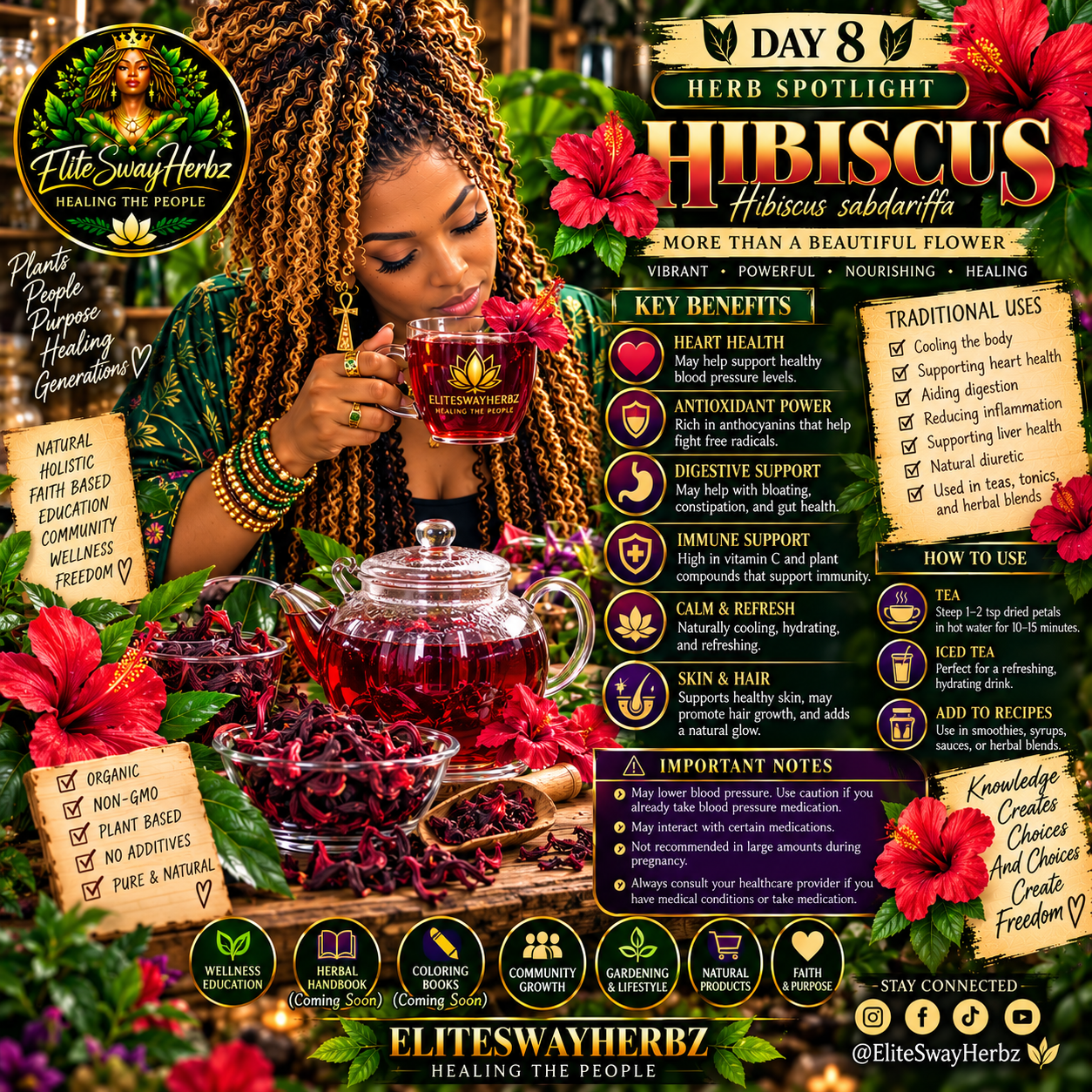
Day 8 · Herbal Spotlights
Hibiscus
Meet hibiscus — the deep crimson flower enjoyed in teas and traditional drinks across many cultures.
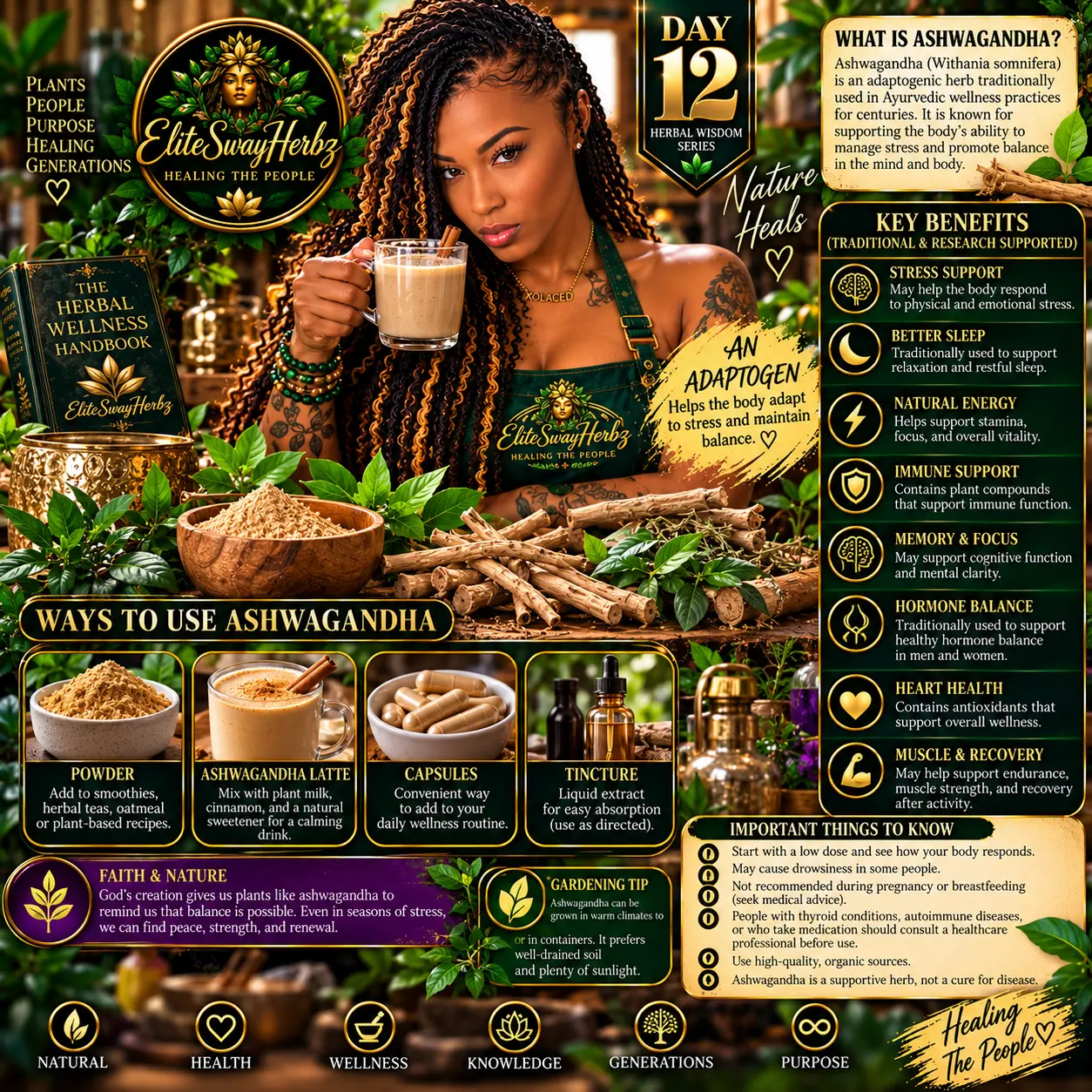
Day 12 · Herbal Spotlights
Ashwagandha
Getting to know ashwagandha, a root with deep roots in traditional Ayurvedic practice.