Introduction
Meet lemon balm, a fragrant member of the mint family found in many herb gardens.
Botanical Background
Lemon balm (Melissa officinalis) is a fragrant member of the mint family with a long history in relaxation and digestive traditions.
Traditional Uses
Lemon balm has traditionally been used for calm, emotional wellness, evening rest, nervous tension, and occasional digestive discomfort.
Traditional use does not establish a proven medical benefit. Clinical effectiveness requires separate verification.
Benefits & Research Context
The supplied caption describes small studies of lemon balm preparations for mild stress and early research into mood and attention. Clinical evidence remains limited, and these associations are not verified treatment claims.
Traditional Preparation
The supplied caption uses 1–2 teaspoons of dried lemon balm in a cup of hot water for 5–10 minutes. This is shared as source context, not individualized guidance.
Safety & Responsible Use
Lemon balm may cause drowsiness and interact with sedatives or other medications. Consult a healthcare professional during pregnancy, breastfeeding, or prescription-medication use.
Scripture Focus
Philippians 4:6–7
Related Lessons
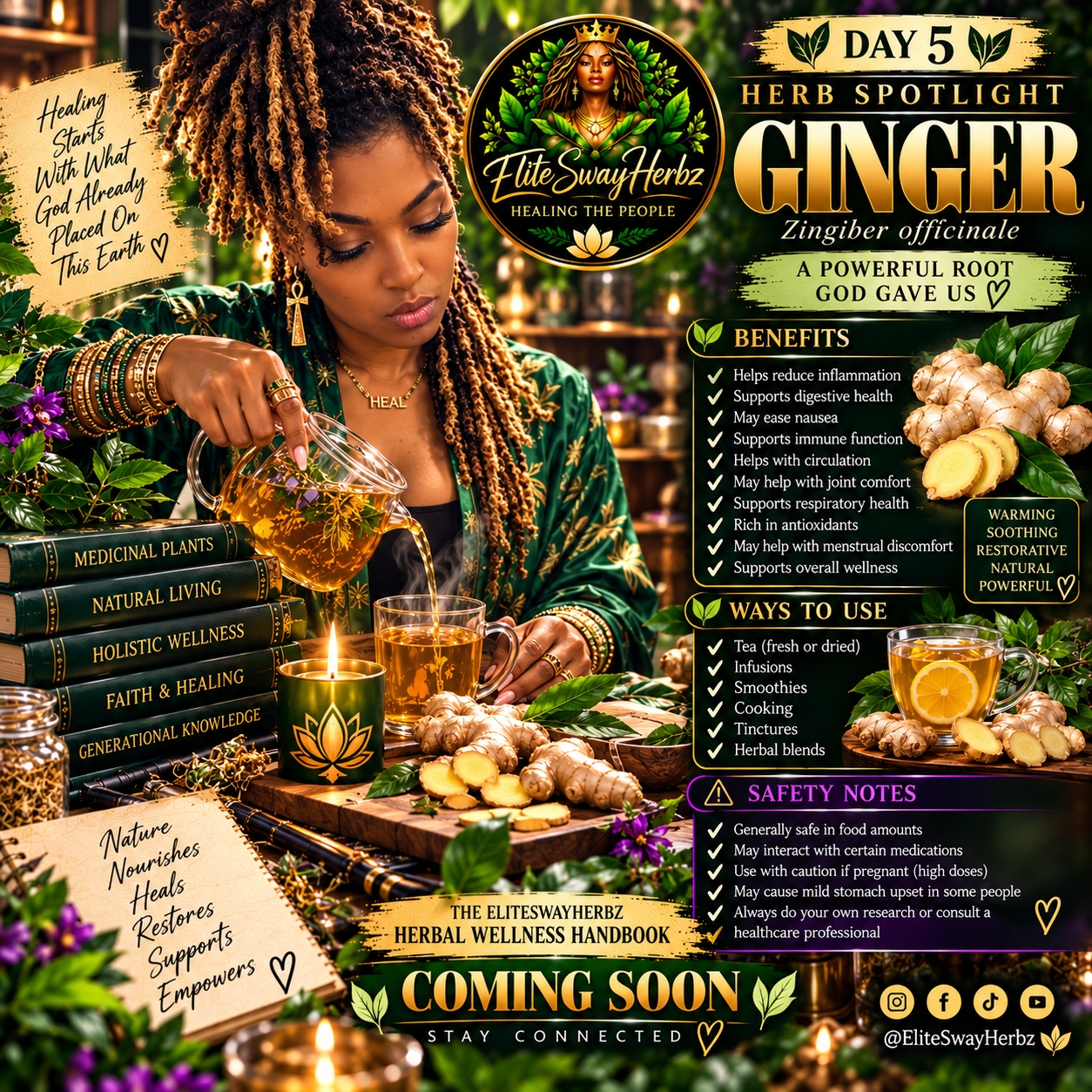
Day 5 · Herbal Spotlights
Ginger
An introduction to ginger root — its botanical background and its long place in kitchens and herbal traditions around the world.
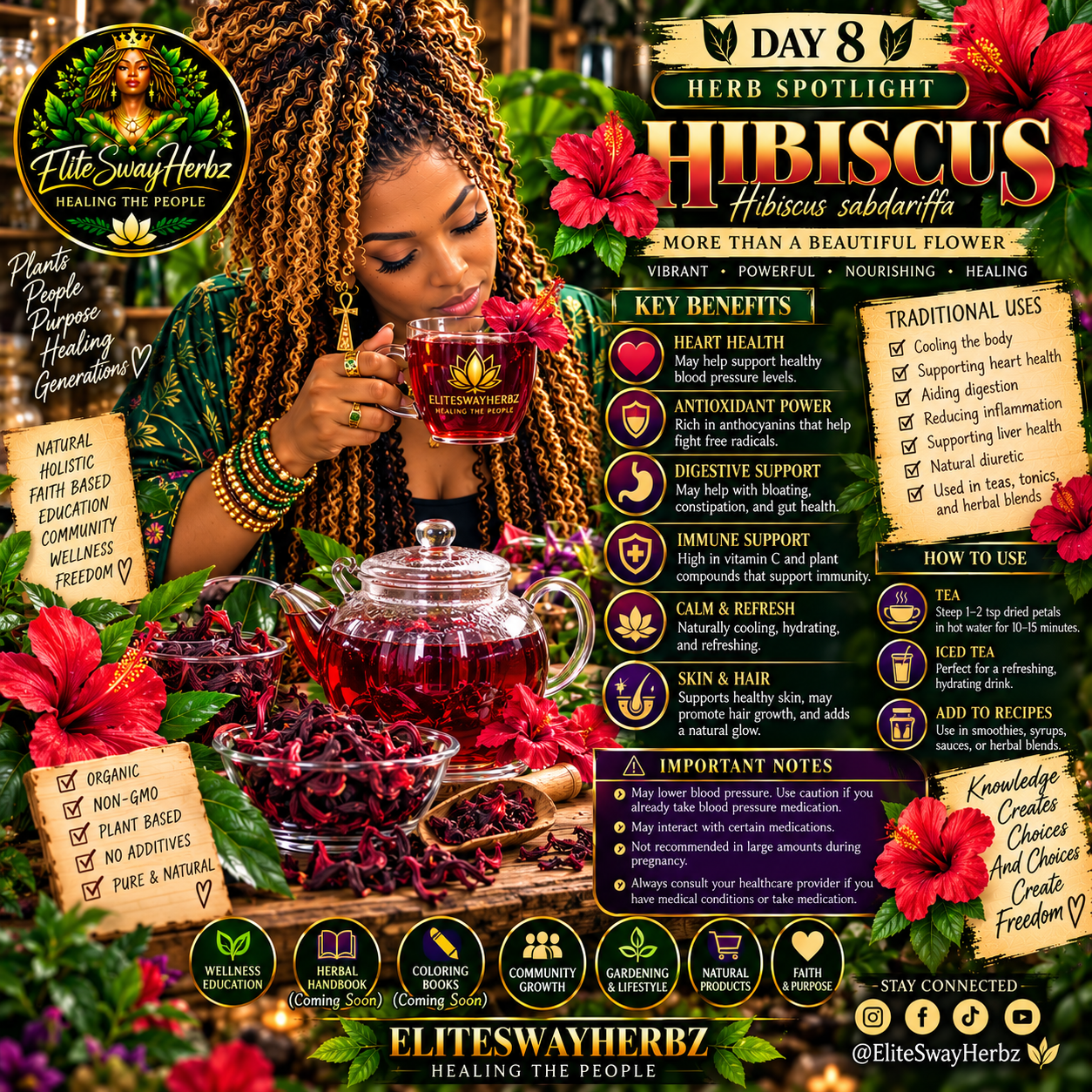
Day 8 · Herbal Spotlights
Hibiscus
Meet hibiscus — the deep crimson flower enjoyed in teas and traditional drinks across many cultures.
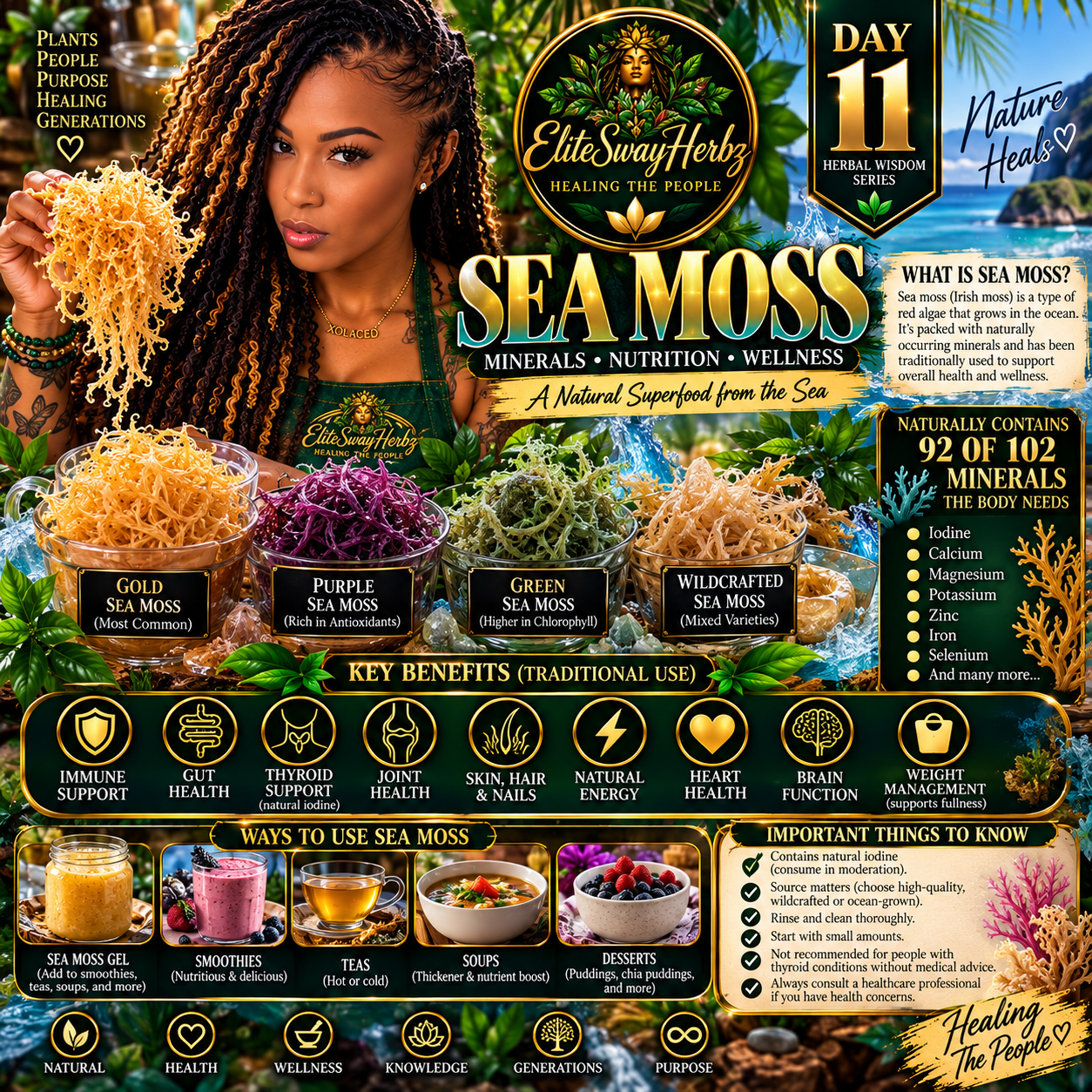
Day 11 · Herbal Spotlights
Sea Moss
An introduction to sea moss, a marine algae with a long history in coastal food traditions.