
Introduction
Getting to know mullein, the tall, soft-leaved plant found along roadsides and meadows.
Botanical Background
Mullein (Verbascum thapsus) is recognized by its soft, velvety leaves and tall yellow flowers.
Traditional Uses
Mullein has a history in Native American, European, and African herbal traditions associated with respiratory wellness, occasional coughs, and throat comfort.
Traditional use does not establish a proven medical benefit. Clinical effectiveness requires separate verification.
Ways to Enjoy
These traditional preparation formats are educational examples, not personalized recommendations or dosing instructions.
- Carefully strained leaf or flower tea
- Traditional herbal preparations
- Aromatic steam traditions
Benefits & Research Context
Clinical research in humans remains limited. Mullein should not replace medical treatment for breathing difficulties or respiratory infections.
Safety & Responsible Use
Fine leaf hairs can irritate the throat, so traditional tea preparations need thorough straining through a fine filter or cloth. Pregnancy safety information is limited; medical conditions require professional guidance.
Faith & Nature
The supplied reflection presents mullein as another opportunity to discover God's creation and care for ourselves with wisdom.
Related Lessons

Day 5 · Herbal Spotlights
Ginger
An introduction to ginger root — its botanical background and its long place in kitchens and herbal traditions around the world.
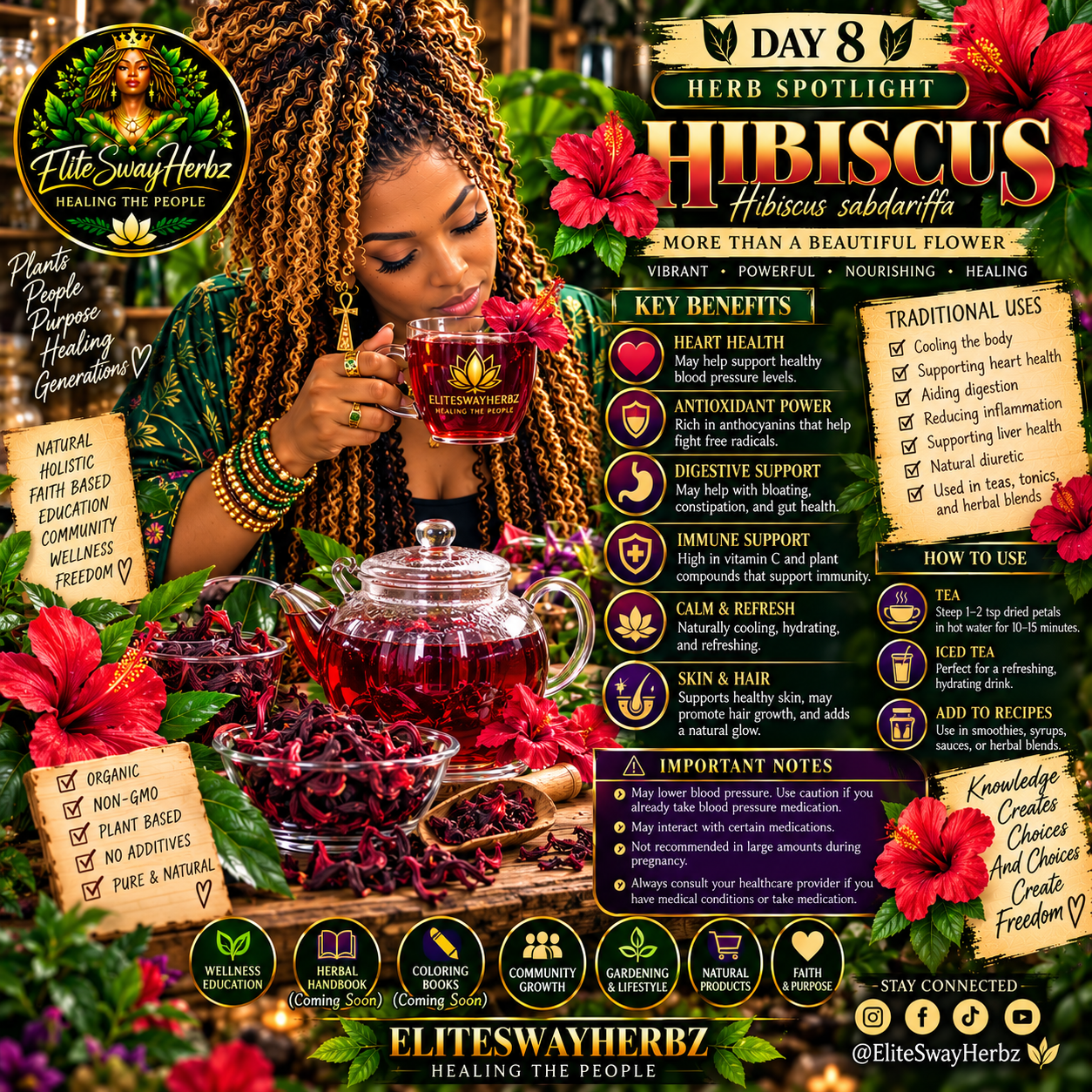
Day 8 · Herbal Spotlights
Hibiscus
Meet hibiscus — the deep crimson flower enjoyed in teas and traditional drinks across many cultures.
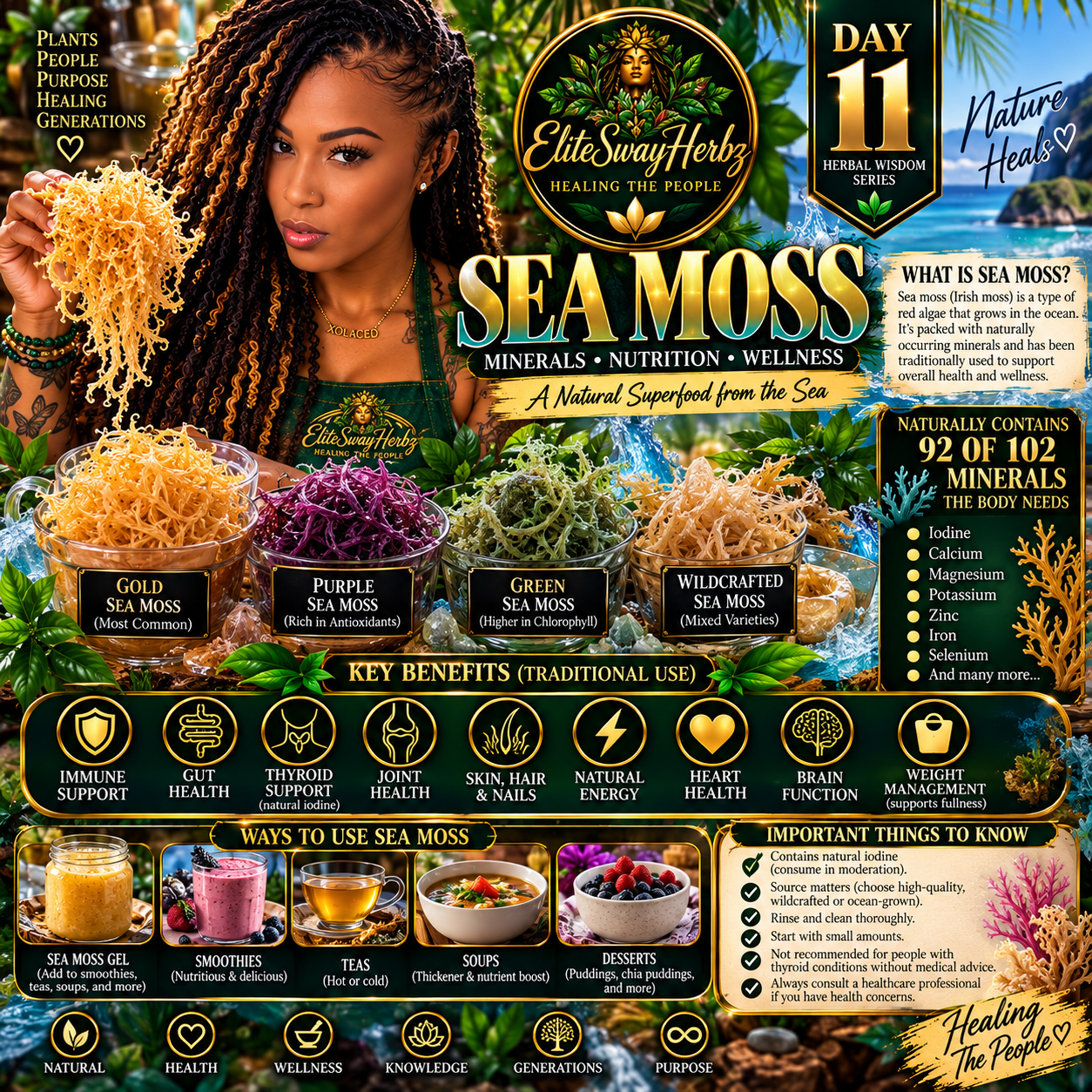
Day 11 · Herbal Spotlights
Sea Moss
An introduction to sea moss, a marine algae with a long history in coastal food traditions.